Your couch, your fridge—even your nice countertops could be hiding cancer-causing substances. Here's what you can do about it,
according to top toxicology experts.
Your big, comfy couch

Your favorite sofa could be killing you, and not just because it lures you away from activity: Many sofas, mattresses, and other cushioned furniture are treated with TDCIPP, a flame retardant known to cause cancer (i.e., a carcinogen). TDCIPP was used so frequently prior to 2013 that a study out of Duke University found it in the blood of everyone they tested. It's also one of ten chemicals most frequently found in household dust, according to this study.
What can you do?
Consider replacing cushioned furniture you purchased prior to 2013, according to the Natural Resources Defense Council—and check furniture labels on any purchases.
And while you're at it, make sure you aren't around any of these other causes of cancer.
Your curtains and carpets

Cadmium is a carcinogenic byproduct of cigarette smoke. If you smoke in your house, cadmium and other cigarette smoke by-products may be lurking, especially on soft surfaces such as curtains and carpet—even long after the smell of smoke is gone. There's even such a thing as third-hand smoke and it's resistant to even the strongest cleaning products. Here's where you can learn more about third-hand smoke and its dangers.
What can you do?
Quit smoking—here are 23 tips to kick start kicking the habit—and never allow smoking in your home.
Your leather recliner

Chromium (VI) is a known carcinogen found in tanned leather, wood furniture, certain dyes and pigments used in textiles, and cement. To give you an idea of the prevalence of chromium VI, one study out of Denmark found that almost half of imported leather shoes and sandals contained some level of the carcinogen.
What can you do?
As with TCIPP, pay attention to labeling. And don't be shy about asking questions of your furniture salesperson.
Your garden

Dioxin is a carcinogen that forms as a chemical byproduct and ends up in our soil and water. It's in the dust on shelves, the dirt on floors, and the residue on vegetables. Your risk of cancer from dioxin exposure may be greater than one in one-thousand, says clean-living guru, Sophia Ryann Gushée.
What can you do?
Wear gloves when working in the garden, and always wash up before heading inside. Additionally, avoid backyard burning of household trash.
CONTENT CONTINUES BELOW AD
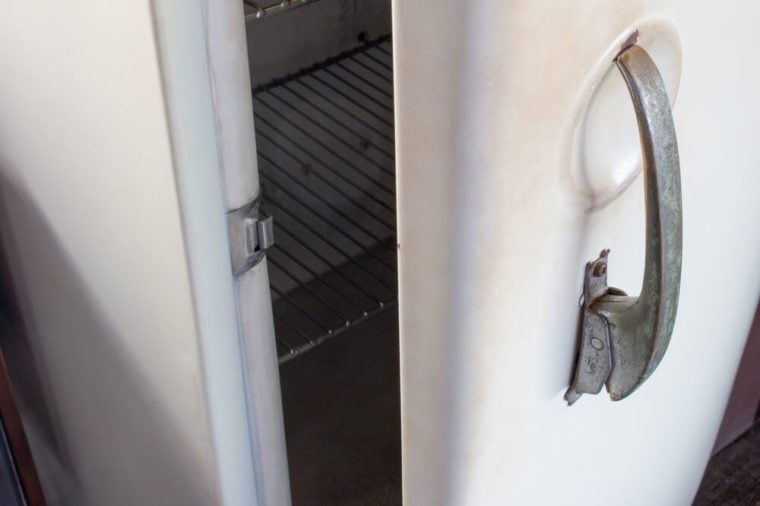
Your old fridge
 SHUTTERSTOCKSTUDIO/SHUTTERSTOCK
According to cancer.org, carcinogenic PCBs can turn up in old appliances, fluorescent lighting fixtures, and electrical transformers. While no longer commercially produced in the United States, PCBs are still manufactured and used in developing countries, and of all PCBs ever produced, up to 70 percent are still in the environment. Diet is another major source of exposure, according to Gushée.
What can you do?
Get rid of those old appliances and fluorescent light fixtures. Pay attention to advisories regarding PCB-contaminated fish and fish-eating wildlife.
Your cleaning products

Formaldehyde is a known carcinogen found at home in food, cosmetics, a variety of cleaning products (such as dishwashing liquids, fabric softeners, and carpet cleaners), paint, foam insulation, and on permanent press fabrics. In addition, you can be exposed by breathing smoke from gas cookers and open fireplaces.
What can you do?
Here is a list of household products that contain formaldehyde, according to the U.S. Department of Health and Human Services. Choose your cleaning products carefully—here are some chemical-free ways to clean your home. Also, be sure to ventilate your cooking areas.
Your closets
 ALL ABOUT SPACE/SHUTTERSTOCK
The dry-cleaning chemical perchloroethylene (tetrachloroethylene or "perc") is a carcinogen that can build up wherever you store your dry-cleaned clothes. It's also found in spot removers, shoe polish, and wood cleaners.
What can you do?
Wear gloves when polishing your shoes and cleaning wood. If you dry-clean your clothing, try to find a dry-cleaner who doesn't use perc. And check out the times you can feel free to ignore the dry-clean only label.
Your vinyl flooring and your miniblinds

Phthalates are suspected of causing cancer and may adversely affect human reproduction or development. They're found in vinyl flooring, shower curtains, synthetic leather, miniblinds, wallpaper, and anything made with PVC vinyl. They're also found in food packaged in plastic.
What can you do?
Stay away from products made with PVC vinyl. Look for products that are labeled as phthalate-free. Toss plastic toys made before 2008, according to mindbodygreen.com, and switch to glass and stainless containers and bottles. And reconsider your use of plastic wraps and food containers.
Your couch, your fridge—even your nice countertops could be hiding cancer-causing substances. Here's what you can do about it,
according to top toxicology experts.
Your big, comfy couch
Your favorite sofa could be killing you, and not just because it lures you away from activity: Many sofas, mattresses, and other cushioned furniture are treated with TDCIPP, a flame retardant known to cause cancer (i.e., a carcinogen). TDCIPP was used so frequently prior to 2013 that a study out of Duke University found it in the blood of everyone they tested. It's also one of ten chemicals most frequently found in household dust, according to this study.
What can you do?
Consider replacing cushioned furniture you purchased prior to 2013, according to the Natural Resources Defense Council—and check furniture labels on any purchases.
And while you're at it, make sure you aren't around any of these other causes of cancer.
Your curtains and carpets
Cadmium is a carcinogenic byproduct of cigarette smoke. If you smoke in your house, cadmium and other cigarette smoke by-products may be lurking, especially on soft surfaces such as curtains and carpet—even long after the smell of smoke is gone. There's even such a thing as third-hand smoke and it's resistant to even the strongest cleaning products. Here's where you can learn more about third-hand smoke and its dangers.
What can you do?
Quit smoking—here are 23 tips to kick start kicking the habit—and never allow smoking in your home.
Your leather recliner
Chromium (VI) is a known carcinogen found in tanned leather, wood furniture, certain dyes and pigments used in textiles, and cement. To give you an idea of the prevalence of chromium VI, one study out of Denmark found that almost half of imported leather shoes and sandals contained some level of the carcinogen.
What can you do?
As with TCIPP, pay attention to labeling. And don't be shy about asking questions of your furniture salesperson.
Your garden
Dioxin is a carcinogen that forms as a chemical byproduct and ends up in our soil and water. It's in the dust on shelves, the dirt on floors, and the residue on vegetables. Your risk of cancer from dioxin exposure may be greater than one in one-thousand, says clean-living guru, Sophia Ryann Gushée.
What can you do?
Wear gloves when working in the garden, and always wash up before heading inside. Additionally, avoid backyard burning of household trash.
CONTENT CONTINUES BELOW AD
Your old fridge
SHUTTERSTOCKSTUDIO/SHUTTERSTOCK
According to cancer.org, carcinogenic PCBs can turn up in old appliances, fluorescent lighting fixtures, and electrical transformers. While no longer commercially produced in the United States, PCBs are still manufactured and used in developing countries, and of all PCBs ever produced, up to 70 percent are still in the environment. Diet is another major source of exposure, according to Gushée.
What can you do?
Get rid of those old appliances and fluorescent light fixtures. Pay attention to advisories regarding PCB-contaminated fish and fish-eating wildlife.
Your cleaning products
Formaldehyde is a known carcinogen found at home in food, cosmetics, a variety of cleaning products (such as dishwashing liquids, fabric softeners, and carpet cleaners), paint, foam insulation, and on permanent press fabrics. In addition, you can be exposed by breathing smoke from gas cookers and open fireplaces.
What can you do?
Here is a list of household products that contain formaldehyde, according to the U.S. Department of Health and Human Services. Choose your cleaning products carefully—here are some chemical-free ways to clean your home. Also, be sure to ventilate your cooking areas.
Your closets
ALL ABOUT SPACE/SHUTTERSTOCK
The dry-cleaning chemical perchloroethylene (tetrachloroethylene or "perc") is a carcinogen that can build up wherever you store your dry-cleaned clothes. It's also found in spot removers, shoe polish, and wood cleaners.
What can you do?
Wear gloves when polishing your shoes and cleaning wood. If you dry-clean your clothing, try to find a dry-cleaner who doesn't use perc. And check out the times you can feel free to ignore the dry-clean only label.
Your vinyl flooring and your miniblinds
Phthalates are suspected of causing cancer and may adversely affect human reproduction or development. They're found in vinyl flooring, shower curtains, synthetic leather, miniblinds, wallpaper, and anything made with PVC vinyl. They're also found in food packaged in plastic.
What can you do?
Stay away from products made with PVC vinyl. Look for products that are labeled as phthalate-free. Toss plastic toys made before 2008, according to mindbodygreen.com, and switch to glass and stainless containers and bottles. And reconsider your use of plastic wraps and food containers.


